
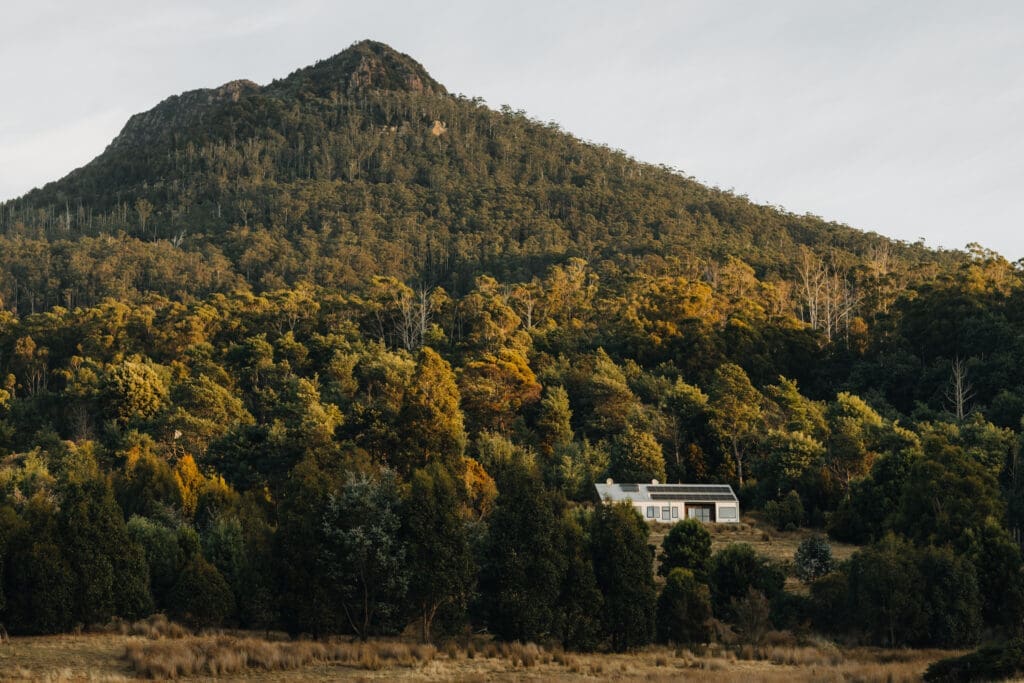
In a quiet pocket of the Meander Valley in northern Tasmania’s Kooparoona Niara foothill country, surrounded by yellow wattle and – come nightfall – enveloped by a blanket of constellations, I spent three-and-a-half years welcoming people to my piece of the earth through a project called Wild Rest. It was a rustic, rugged, luxurious tiny house with a huge deck and a timber-walled sauna, where the wallabies bounded freely and currawongs tittered in the canopy of towering gums. Wild Rest invited visitors to tread gently on the earth, to observe patterns within the surrounding landscape, and to stay consciously offline while identifying the musings of the internal self.
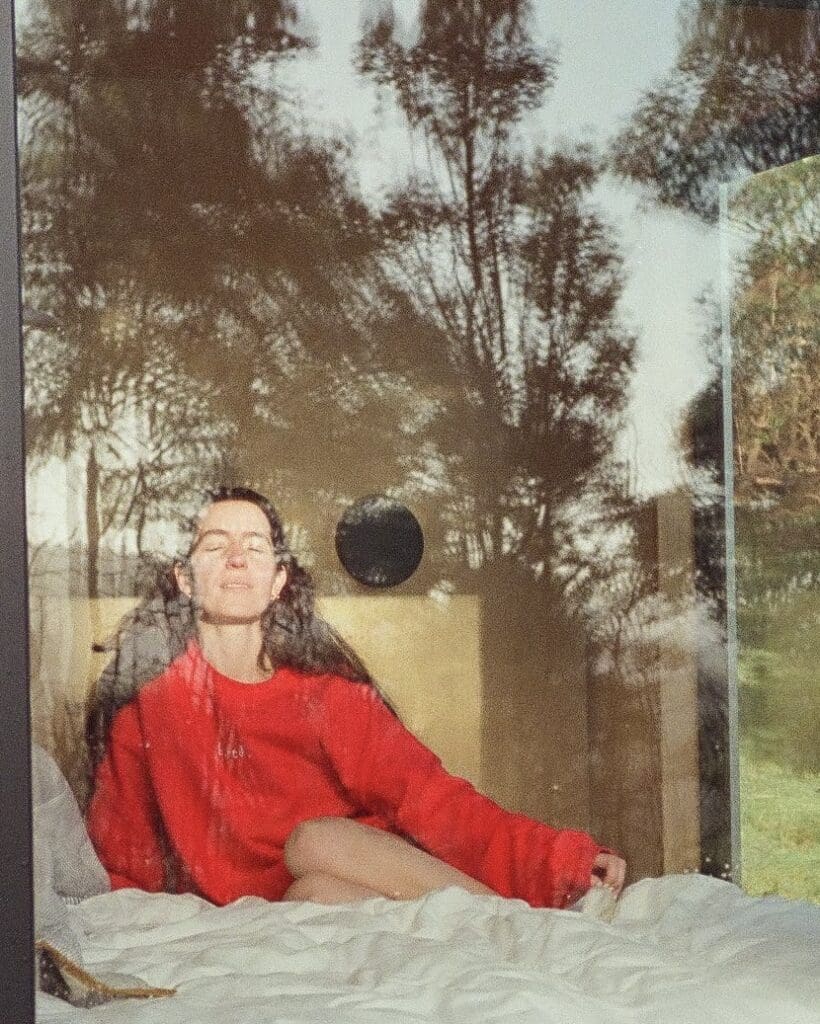
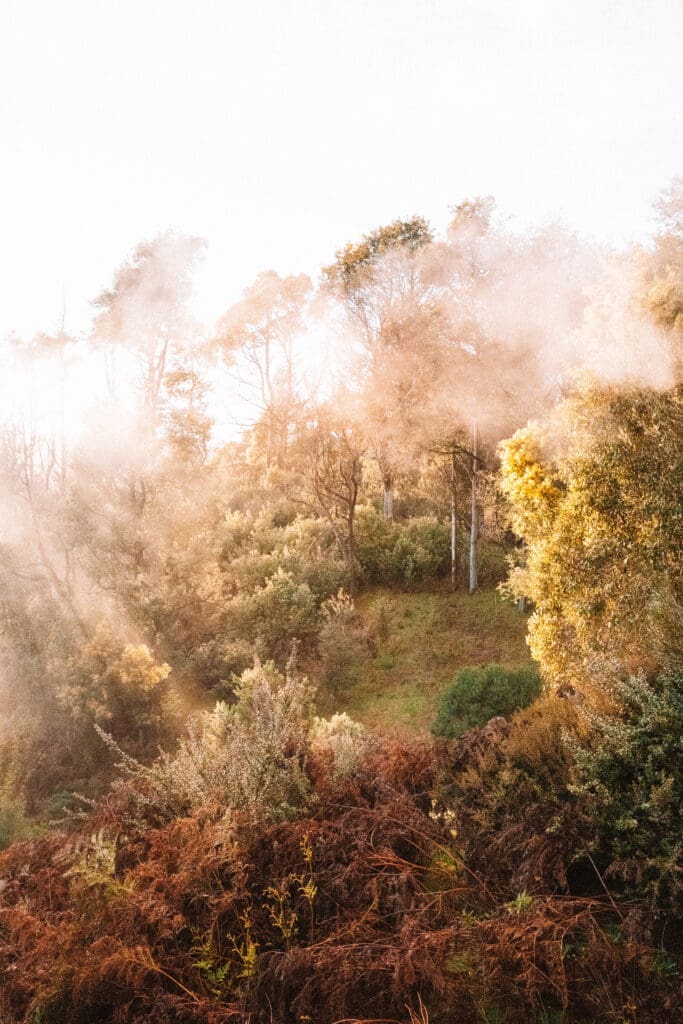
Separate to Wild Rest was my own off-grid home, located on the same 10 acres of undulating land. It was here that I found refuge and a way to meet and cherish my own inner ground, building the belonging I now take with me wherever I go. If we watch and listen to the Mother Nature, as I did during my time in Tasmania, we are gifted her lessons. Her patience, her patterns, her rawness, her persistence: these are all guiding forces that can inform our own practices of attunement, rhythm, reverence and resilience in challenging situations.
Living Neuro relocated to Sydney late last year and I brought those lessons with me in my practice and my clinical purpose. Wild Rest was as much an intention for others as it was a salve for me and my spirit, providing a connection to country and nature that deeply informs the human spirit and offers a mirror in eco-therapy and trauma-informed recovery.
We are living in a turbulent moment in human history, with uncertainty omnipresent and the whiplash of upheaval affecting us all. Amid this period – and, indeed, any difficult circumstances on a personal or collective level – we are as regulated as we are connected to ourselves and rooted in what is sacred. From this place, we are offered a sacred invitation:
how can we enter into dialogue with reality (as it is)?
And how do we choose to respond from our humanity, and not from our pain?
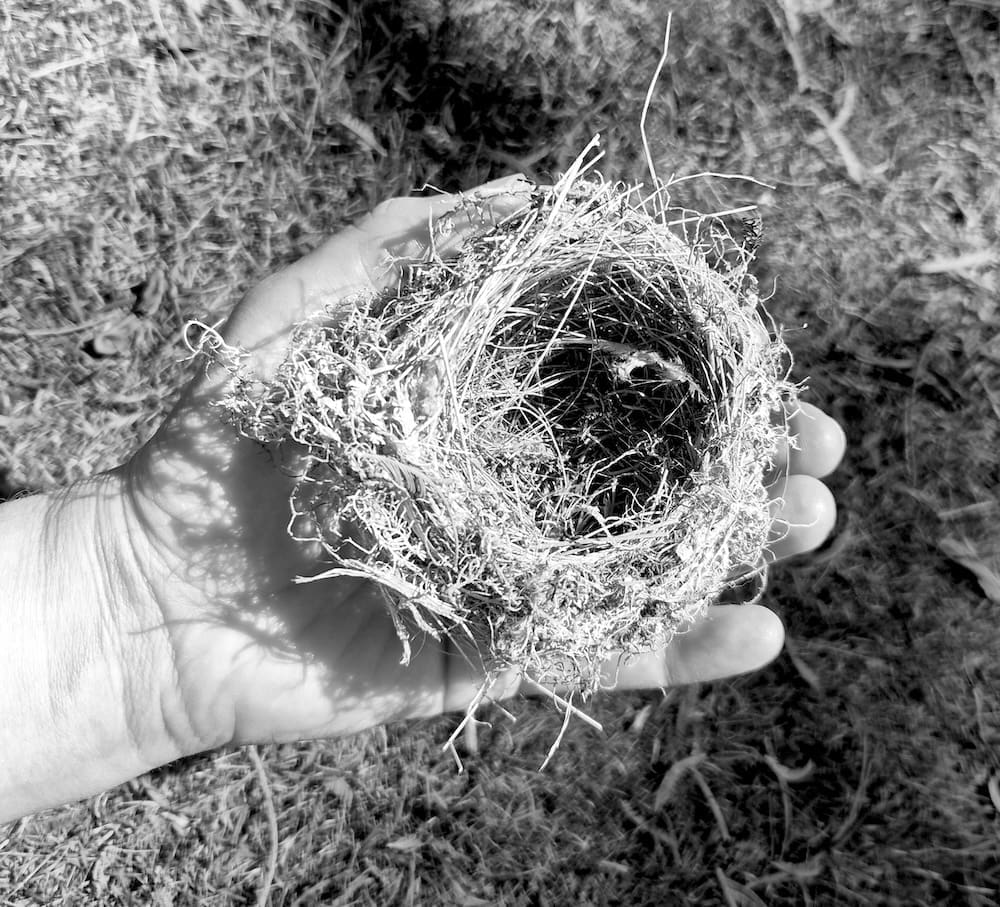
Here’s how to reground yourself for better wellbeing.
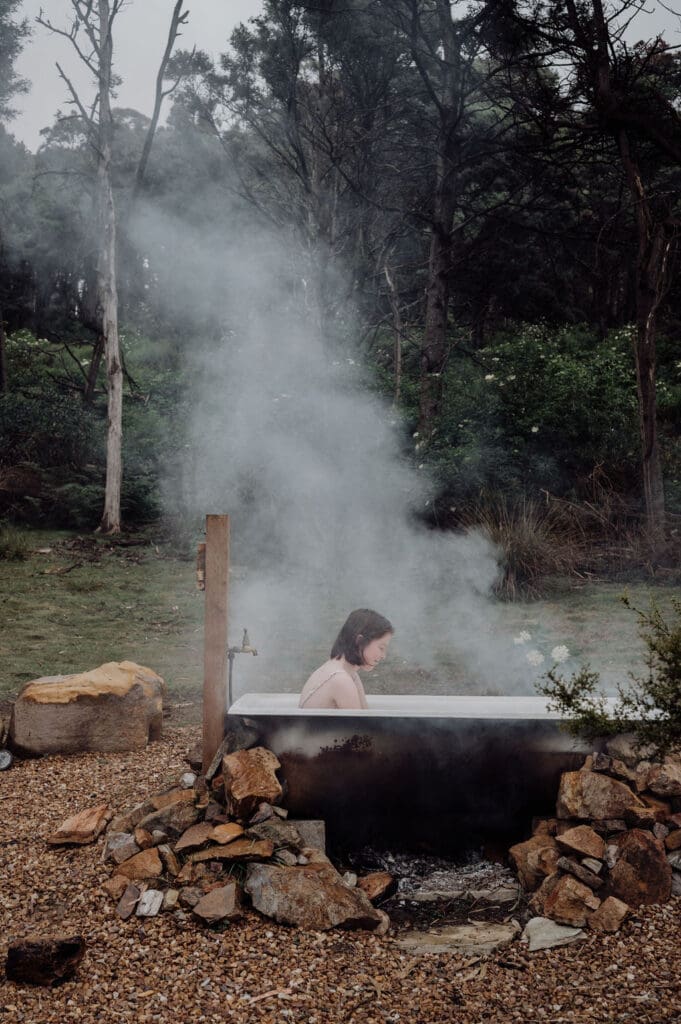
1. Stay present with observation.
An active, curious connection with your surroundings can tell your nervous system it’s safe. Allow your eyes, head and neck to move together in a fluid scanning motion; this engages the suboccipital muscles at the base of your skull, which are neurologically linked to your instinctual ability to assess your environment for safety. Find objects that feel neutral: the soft texture of your pet’s fur, the weight of a woollen jumper, the sound of birds or hum of traffic. You’ll disrupt the tunnel vision of racing thoughts and anchor yourself in the moment.
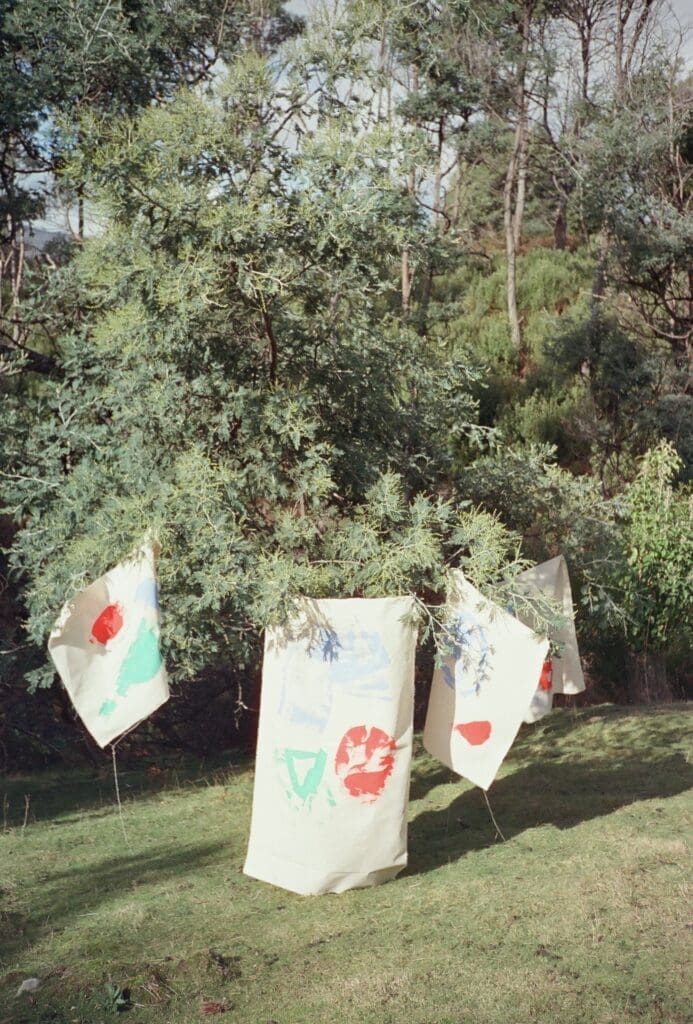
2. Take a green walk.
Nature has the answers. Take yourself on a slow walk to notice shades of green. (Humans have evolved to perceive more shades of green than any other colour.) Noticing subtle shifts in colour and texture caused by the season or time of the day can remind the body that experience isn’t fixed. Movement and change exists, even when things feel intense. Bonus points if you take off your shoes and stand in the grass, or if you stop to (literally) smell the roses.
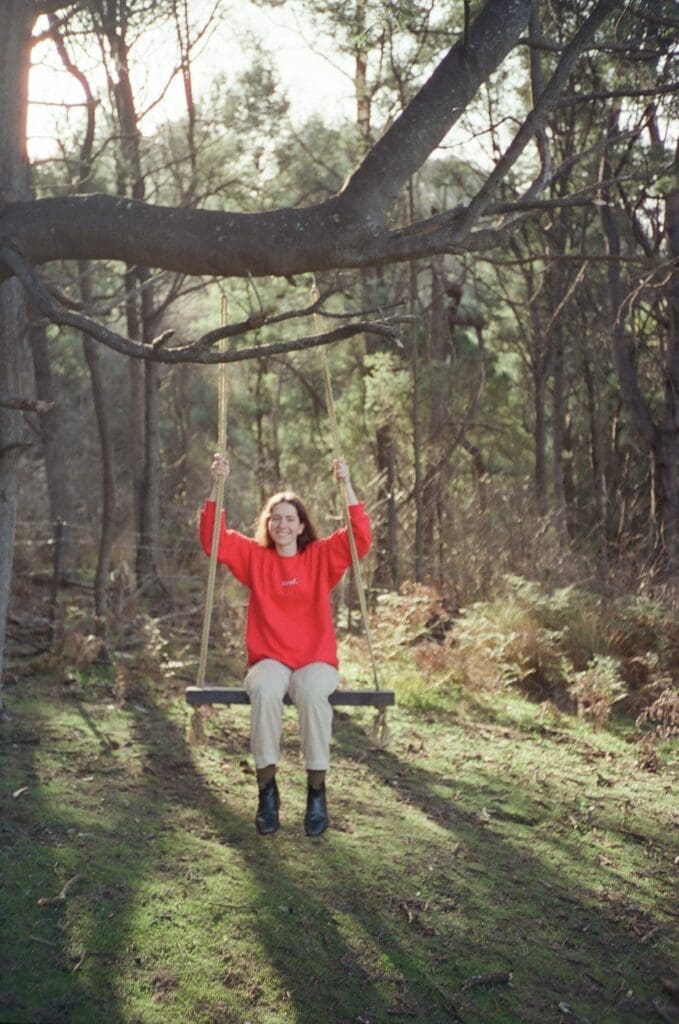
3. Craft something cathartic.
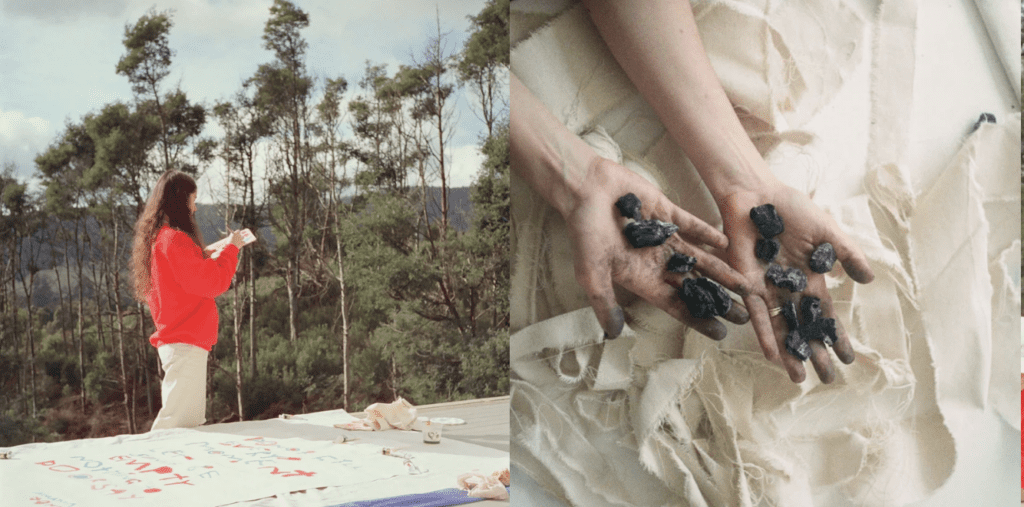
Sketching, doodling, drawing, painting, shaping, sculpting and creating: using your hands helps experiences to move through you. Even brief creative activity has been shown to reduce stress, regulate heart rate and regulate blood pressure. Similarly, safe, steady connection – such as a sustained 20-second hug with someone you trust – can support the body to co-regulate, helping the nervous system to access resources revealed only when the system is grounded.
Consider guided holistic healing.
Grounded in nature and guided by my trainings and study in psychodynamic and somatic psychotherapy, working with dissociated and fragmented parts, depth psychology, wilderness rites of passage (Vision Quest) biodynamic craniosacral therapy, death midwifing and expressive therapies, Living Neuro sessions are informed by the energy we collectively bring to the space. In-person integrative, nature-based and online sessions can help you examine what remains when the noise quietens and you are held in a safe, nurturing environment by a caring practitioner committed to helping you reflect, process, understand and transform big feelings.
My own personal nesting place, Tasmania, is a wilderness I carry with me. The state has no existing predators anymore; the thylacine, Tasmania’s own tiger, was tragically made extinct in 1936 and foxes have not yet reached the island. The island’s dark nights do not invite a deep primal fear; there are no creatures waiting in prey. When we apply this to the human spirit, recognising our heavier parts and identifying our fears becomes easier when we hold a lamp to the dark corners of our psyche. By going into our hearts and tethering more deeply to reality and the environment around us, we unearth the true self – and the spirit that roars deeply on the other side of fear, that which blooms like a flower in the sunlight of the self and is as powerful as the ocean.
“When I experience dadirri, I am made whole again. I can sit on the riverbank or walk through the trees; I can find my peace in this silent awareness. There is no need of words. It is the name, concept and spiritual practice (da-dir-ee) which recognises the deep spring that is inside us. A big part of dadirri is listening. We call on it and it calls to us.”
~ Miriam-Rose Ungunmerr
For more information or to begin your own healing process, book in for a complimentary 15-minute call with Meeray.
These blogs are intended as an educational resource, not medical advice, and do not replace the care and nuance of individual therapy.
References
Porges (2011); Levine (2010); Dana (2018); Ulrich (1984); Kaplan & Kaplan (1989); Bratman et al. (2015); Kaimal et al. (2016); Curry & Kasser (2005); Light et al. (2005); Field (2010)
image credits
(1) Quamby Bluff by Eliska Sharp (2) Wild Rest Artist in Residence by Amanda Jones, Boredom is Necessary for Creatives | The Bored Collection. (3) Spring Mist by Pauline Morrisey (4) Nest on path by Author (5) Fire Bath by Anna Critchley (6) Canvases in the Breeze by Amanda Jones (7) Tree Swing by Amanda Jones Artist in Residence (8) Firewood Steps by Anna Critchley (9) Painting En plein air, and with firepit charcoal by Amanda Jones Artist in Residence.