
True emotional maturity invites us into a living conversation between the story we inherited, the one we are currently inhabiting, and the one that is, unfolding before us.

Over the past two decades, I’ve had the privilege of being supported by many thoughtful and attuned therapists. More recently, a wonderful Art Psychotherapist Adriana Benarroch, brought be back to this piece on Maturity: A Selection from David Whyte’s Consolations (2020).
The timing was perfect. Whyte’s words landed deeply and viscerally in my body.
And I feel, what stayed with me most was the way he speaks about time as it relates to emotional maturity.
In therapeutic work, particularly trauma-informed, depth-oriented therapy – we see how easily time can collapse when undigested wounds come to the surface.
As these old relational wounds, formed in childhood, get activated, the nervous system responds as though the past is happening NOW. Suddenly, we are no longer in the present moment.
Perspective narrows and choice feels elusive.
Our inner world becomes crowded with urgency, intense, un-metabolised memories, overwhelming sensations and unmet needs. The stimuli, a person or experience is suddenly overlaid with something old, possibly even ancestral, going back in the generational line – and we react with the burden of that legacy, rather than from reality of the present moment.
Whyte’s understanding of maturity offers a different kind of orientation that occurs when we build enough stability to feel and process these activations.

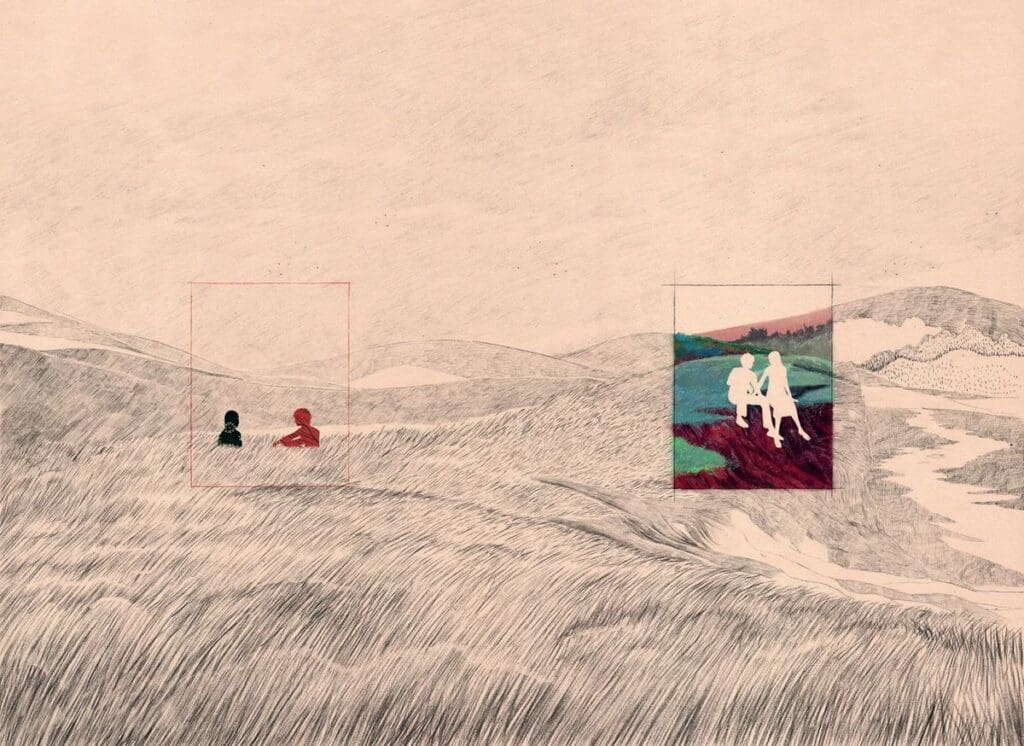
He describes maturity as the ability to live within multiple contexts at once – to hold the PAST, the PRESENT, and the FUTURE simultaneously, without being overtaken by any single one. From this place, we are less compelled to react from old patterns, and more able to respond in a way that’s simultaneously compassionate and accepting of the past while also freeing our future, “elder” self, to be free of heavy regret. It’s a healthy choice in the [now] that threads the chord between [past] and [future].
This is near impossible with some degree of foundational maturity built.
Here, we begin to sense ourselves again; grounded enough to feel and spacious enough to choose.
This capacity does not emerge quickly, nor does it arrive fully formed. Maturity is not a fixed state of calm or a place beyond difficulty. It is an ongoing dance of integration, a softening of the internal borders between who we were, who we are, and who we are becoming. It’s a gradual piercing of the dissociative structures that once held things apart – to keep us alive and sane.
It asks us to stay present with contradiction: our grief alongside our hope, our tenderness alongside our strength, our insight alongside the parts of us that still struggle.
Can you feel that expansive stretch?
From a nervous system perspective, this is the slow work of expanding tolerance.
Learning to remain with emotional intensity without shutting down, rushing ahead, or turning away.
Developing the ability to sit with ourselves – especially in moments where relationship, loss, or uncertainty brings up familiar discomfort.
Whyte describes immaturity as a “narrowing” of time.
A pull to live only in the past, or only in the immediacy of the present, or only in imagined futures that promise relief. These positions can feel protective, even necessary at times. But maturity invites something more spacious: a willingness to hold complexity without fragmentation.
This is deeply aligned with trauma-informed healing.
True integration does not ask us to bypass pain or override our defences. It asks us to listen to them, with patience and self-compassion, until they no longer need to shout.
True integration is the dance of relating deeply to all parts of who we are.
Maturity, in this sense, requires quiet discipline: moments of silence, pauses that allow the body to settle, and a gentle relinquishing of identities or strategies that once kept us safe but now keep us constrained.
Over time, behaviour begins to shift – not through force, but through coherence. Memories are appropriately time stamped and laid down in the regions of the brain where were previously “unallocated” and “uncategorised” therefore raw and orphaned, looking to be finally met and witnessed.
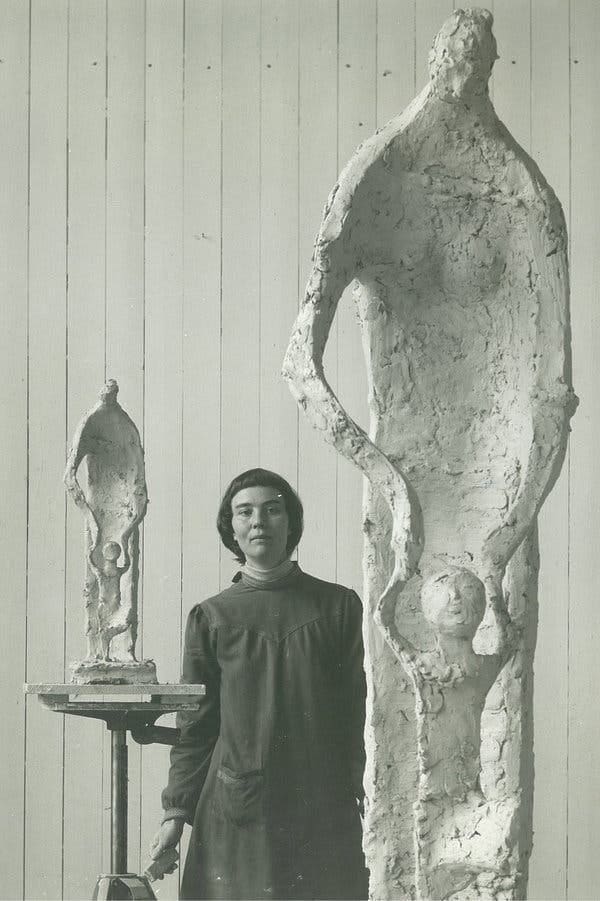
In relational life, this shows up as greater emotional availability.
An increased capacity to stay present with difference, disappointment, and desire.
A steadier sense of self that does not disappear under the weight of another’s needs, nor harden against closeness.
Maturity does not mean being untouched by life. It means allowing life – with all its losses, reckonings, and possibilities – to move through us without splitting us apart. It is the ability to remain connected to ourselves while staying in relationship with the world.
This work is gentle. Real. And sacred. It’s possible.
If you’re longing to reconnect with your body’s wisdom, make peace with how you adapted and find new, healthier patterns in your relationships, you’re warmly invited to explore one-on-one counselling, or keep an eye out for upcoming group offerings.
For more information or to begin your own healing process, book in for a complimentary 15-minute call with Meeray.
These blogs are intended as an educational resource, not medical advice, and do not replace the care and nuance of individual therapy
image credits | pinterest unknown | illustration by Daniel Liévano | Dorothea Buck in 1956. Photograph: Alexandra Pohlmeier